Health
Awareness, health talks, support schemes and advocacy so underserved communities can reach basic care.
 Sam-John UsaniFoundation · IT 7260704
The work
We address the needs of deprived communities that are often left out of mainstream schemes for health, education and livelihood. The work is life-changing support against poor health, hunger, poverty and exclusion — including for people in hard-to-reach places.
Awareness, health talks, support schemes and advocacy so underserved communities can reach basic care.
Skills, agricultural information, inputs and tools so people can take up productive work in their own communities.
Interventions against inequality of age, sex, disability, origin, religion or economic status, including displacement and relief.
Participatory Learning and Action, Appreciative Inquiry, and Focus Group Discussions.
Livelihood · February 2022
The Livelihood Support Initiative trained people for employment-oriented skills: fashion design, ICT, farming, catering, shoe making, textile production and more. It was aimed especially at women from low-income backgrounds, youths, vulnerable people, refugees and migrants.
The work included training equipment, rehabilitation and extension of training spaces, training of trainers, and curriculum design. Courses run from short programmes of one week to three months, to longer qualifications of more than a year, with learner scholarships or stipends where needed.
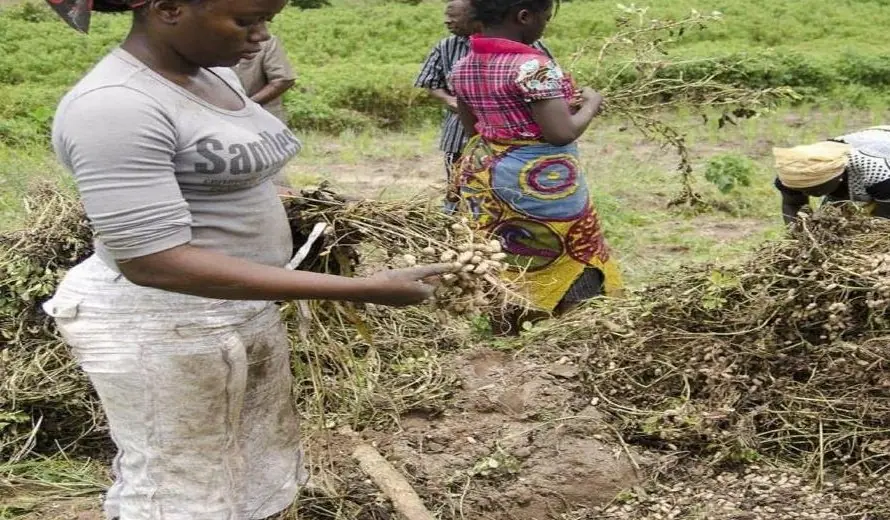
Farming · April 2022
The Enhanced Livelihood Support System for Small-scale Farmers set out to build resilient, self-sustaining farming communities where poverty and hunger are reduced. It strengthens livelihoods, nutrition and climate resilience, and addresses malnutrition by giving smallholder farmers practical support.
Health · June 2022
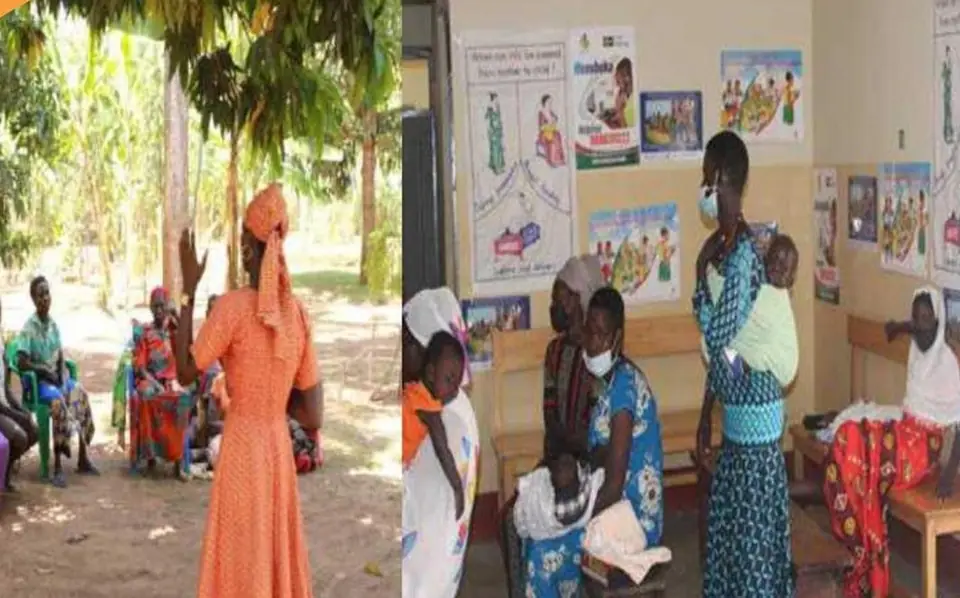
The Standard Health Access Initiative responded to the cost of care — bills, transport and the time lost in seeking treatment — and to weak awareness that leaves families making health decisions without enough information.
The aim was to reduce inadequate access to basic healthcare, including in the face of epidemics, through a basic healthcare platform. People who came through the scheme were able to take their health concerns to a service that could respond.
Sanitation · August 2022
The School Sanitation Programme was started to improve hygiene for children and youths in rural schools. Hygiene and health education also ran in parts of the FCT, Nasarawa and Benue, in primary schools, pre-schools and secondary schools.
Students were drawn into the care of school water and sanitation facilities, and equipped with practical hygiene knowledge. The outcomes included advocacy for better sanitation practice, stronger hygiene routines in rural schools, exchange visits, and orientation sessions in communities affected by unsafe sanitation.

Children
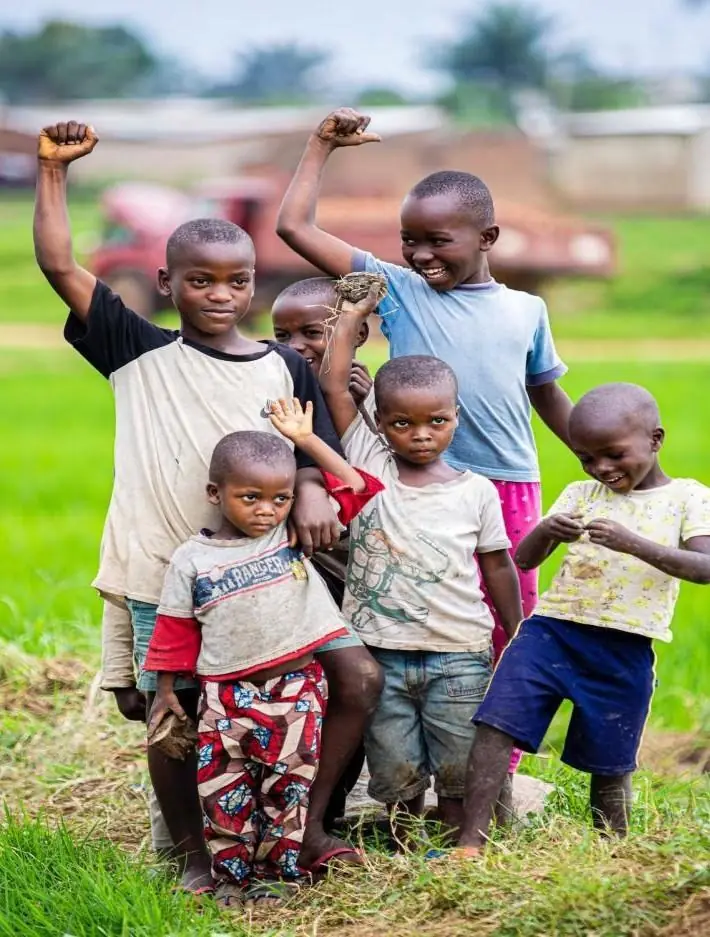
This initiative exists for sustainable protection, rehabilitation, support and assistance for street children — including children who have been abandoned, neglected or abused, sometimes by relatives. The aim is literacy, protection from abuse and exploitation, technical training, skill acquisition and counselling, so a child can grow into a responsible young person.