Legal name
SAM-JOHN USANI FOUNDATION, IT 7260704.
 Sam-John UsaniFoundation · IT 7260704
Welcome
From rubbles to rubies.
At Sam-John Usani Foundation we have resolved to support the most vulnerable people and reduce poverty. We do this through our HELO strategy — Health, Education, Livelihood and Opportunity — with a strong focus on the less privileged.
We provide support in health, poverty alleviation, food security, education, livelihood and social care, equipping people to lead a safer and healthier life. Equal access to health, education and a sustainable livelihood, aimed at easing poverty and hunger, is central to the work.
Continued health and education help participants take up useful projects and economic opportunities, including support that gives young people a more sustainable living. This page sets out who we are, what we value, and why the work is organised the way it is.
Blessing Akama, Executive Director
SAM-JOHN USANI FOUNDATION, IT 7260704.
Health, Education, Livelihood and Opportunity.
Established in 2018 and incorporated in 2022 with the Corporate Affairs Commission, Nigeria.
The people who lead and carry the work. Meet them.
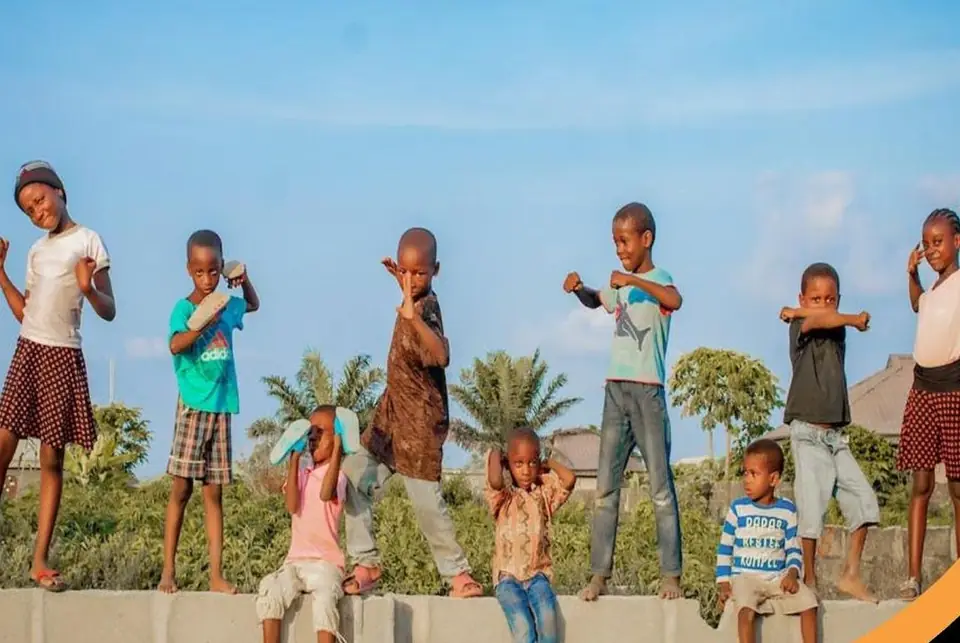
Who we are
Sam-John Usani Foundation is a non-profit in Nigeria. We work with marginalised groups and less privileged people on health, poverty, education and sustainable livelihood, so that everyone has a better chance at life. We are passionate about resetting the starting line: creating conditions in which people who have had less can thrive.
From direct work with individuals and communities in Nigeria to advocacy beyond them, the foundation acts as a bridge to quality healthcare, education and livelihood support. We keep working relationships with communities so the response to long-standing health challenges, educational barriers and economic limits can be practical and inclusive.
Poor access to quality health services remains a major challenge for people living in poverty, and it contributes to preventable deaths. Our interventions exist to widen access to health, education and a sustainable livelihood.
Awareness, support schemes and a clearer path to care.
Learning that includes people the mainstream often misses.
Skills, farming and work that can hold a household.
Mission
Our sole aim is to afford everyone an equal opportunity to attain the best health, education and livelihood standard possible, and to improve lives by supporting people in disease, disaster, displacement and injustice. Our schemes work through sound interventions in quality health, education and sustainable livelihood, so people can reach their potential — particularly the less privileged and the marginalised.
Vision
A world where everyone can achieve their full potential regardless of economic, social or educational status. A society where a healthier life is real, where poverty and hunger do not decide a person’s future, and where education is adequately provided regardless of social or economic standing.
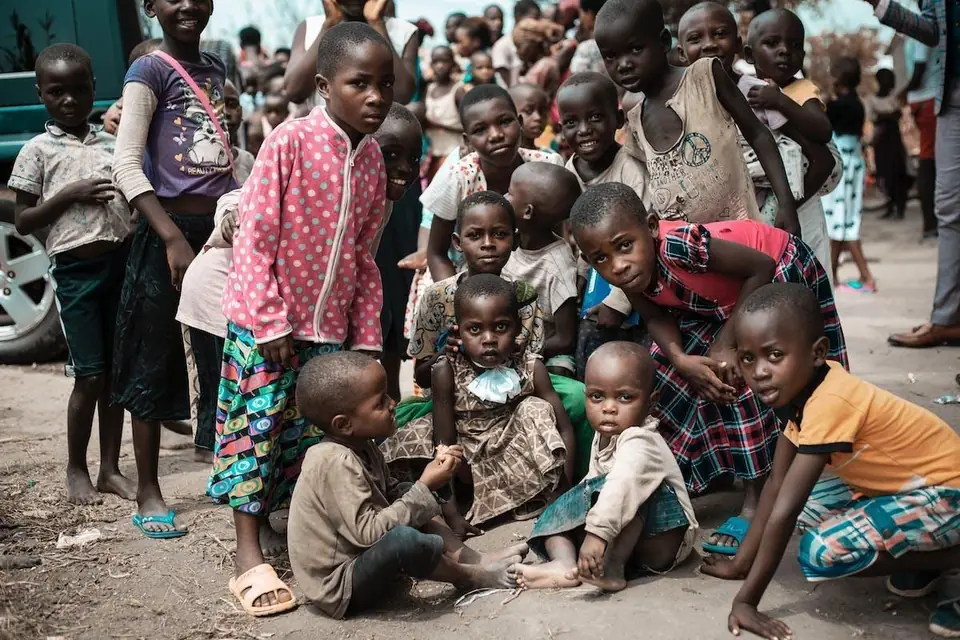
Our values
We are honest, and we keep to our moral principles. Credibility, accuracy and sincerity shape how we operate and how we approach issues.
We stay with the work until the goal is reached. We do not quit when the challenge rises. Continuity is part of the value.
We keep developing new ways to meet human challenges and offer lasting solutions, with empathy for people who have less.
We work together so our strengths serve one direction. Mutual support and trust are how the results become meaningful.
Every person should have an equal opportunity to make the best of their life and talents. Birth, origin, belief or disability should not assign someone a poorer chance.
We open access to opportunities and resources for people who are often marginalised, including people with physical or intellectual disabilities and other minority groups.
Partnership
Whether it is to meet a project need or to support an intervention, together we can improve lives and create more equal opportunities. Our success rests on collaboration: with communities, and with organisations that share the aim of quality health and a sustainable livelihood for people who have been left out.
People and institutions who resource a project.
Leaders and groups who shape what is useful locally.
Hands and time beside the programmes.
Partners who extend the reach of health, learning and livelihood.