Awareness
Community campaigns against stigma, with screening, testing, and support for management and treatment.
 Sam-John UsaniFoundation · IT 7260704
Our experience
We look for projects that help people move out of poverty, disease and illiteracy.
With local communities and collaborators, the foundation has developed programmes in healthcare, education and sustainable livelihood. Priority goes to work that empowers people who are less privileged or marginalised: sanitation and hygiene, water, primary health care, sustainable agriculture, and rural savings and credit.
Over the last three years the focus has been the concrete problems people face — discrimination, extreme poverty, illiteracy and unemployment — alongside medical, educational and livelihood challenges. There has been progress. Inclusion still asks for more.
Community campaigns against stigma, with screening, testing, and support for management and treatment.
Economic empowerment for families and individuals affected.
Networks with agencies and organisations, in Nigeria and further afield.
A catalyst role: collaborative, integrated responses for underdeveloped communities and vulnerable people.
Achievements
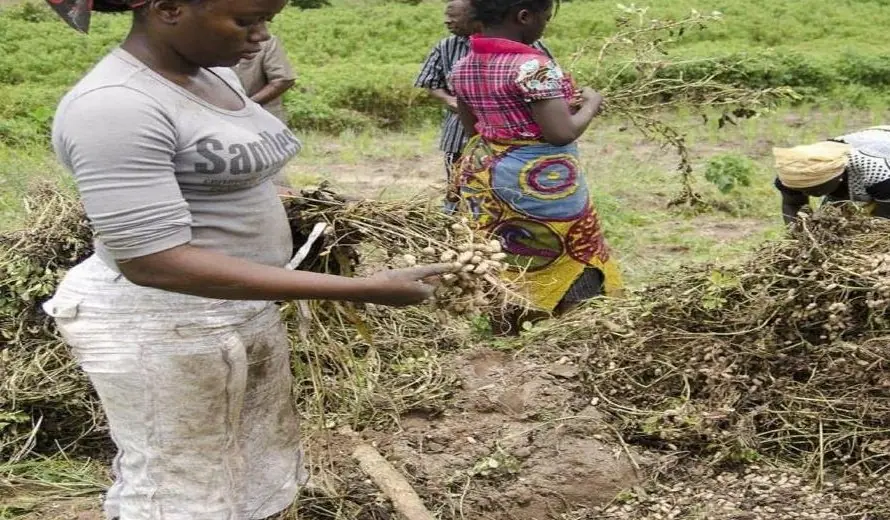
Support to more than 500 youths through skill-acquisition initiatives, and food-security systems started in rural communities to ease hunger.
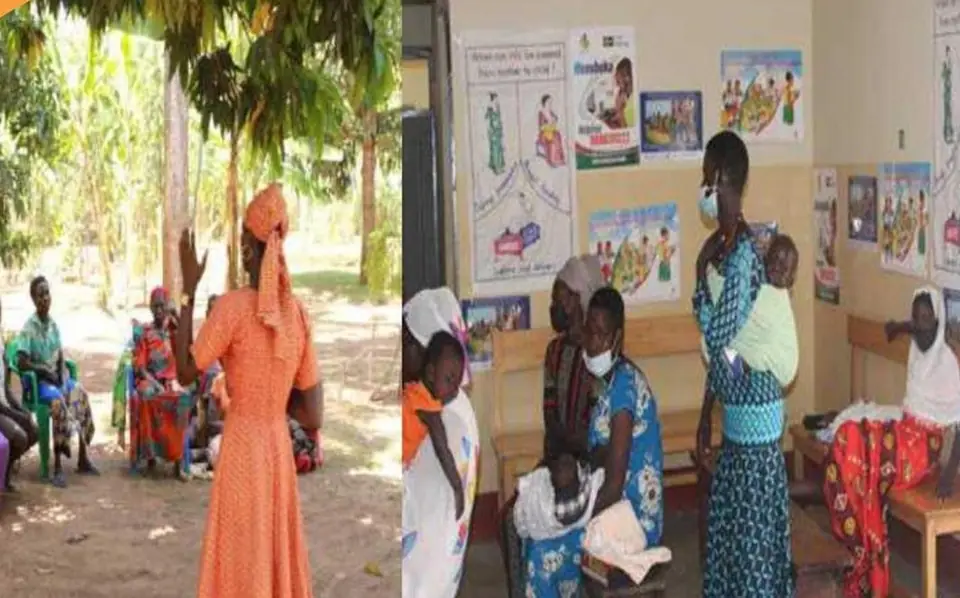
Healthcare support, health talks, toll-free services and edutainment reaching more than 1 million young people through 39 health facilities.

Through peer education over three years, more than 2,000 young people accessed services, and about 1,000 accessed them both with the foundation and at supported facilities.
More than 1,000 young people treated for sexually transmitted infections, and more than 2,000 tested for HIV. About 300 enrolled in the initiative over three years, of whom 99 percent achieved viral-load suppression.
Street children
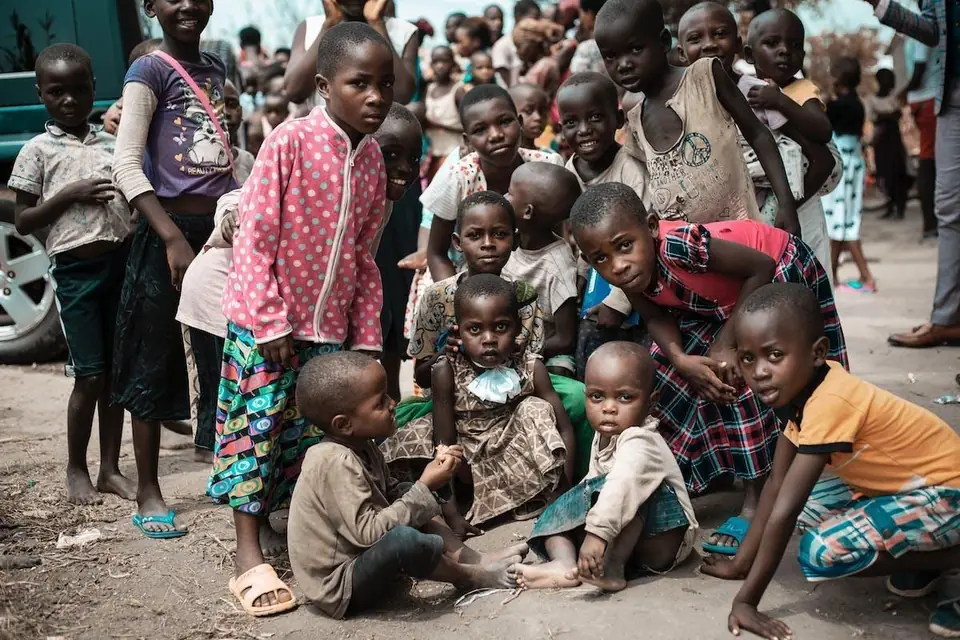
At least 150 street children benefited from a free literacy programme covering numeracy, literacy and psychosocial support. The work also included paralegal assistance so children could understand their basic rights, and recovery support for trauma, basic life skills and planning a life goal.
Street children in the free literacy programme.
Paralegal help and a clearer understanding of basic rights.
Support to recover from trauma and plan a next step.
Technical training and skill acquisition alongside counselling.